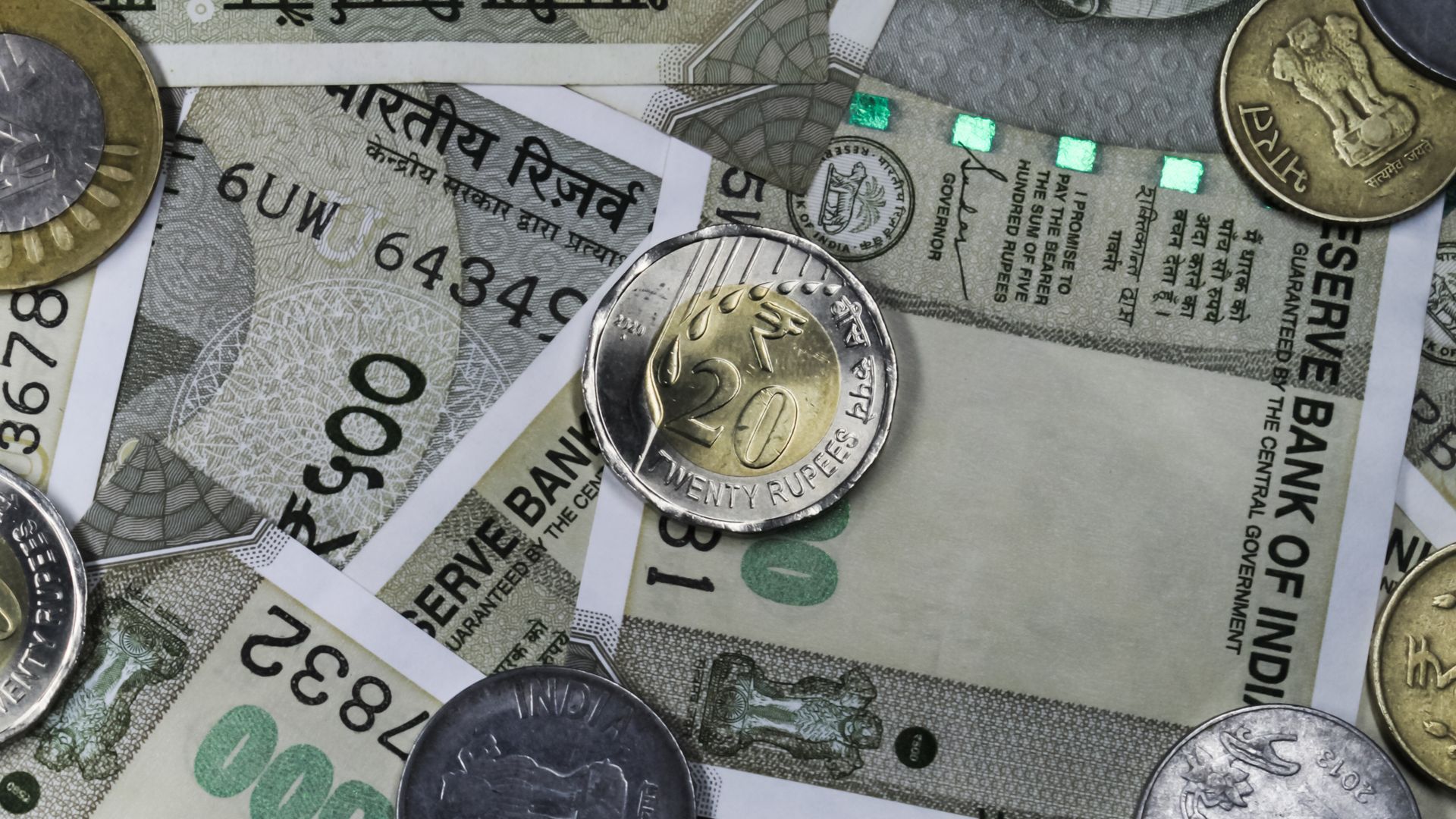
“How much does a data analyst earn in India?” has no single answer, because pay depends on city, employer, industry and skills. What we can do is look at what salary platforms report and read those numbers carefully. This guide uses two public sources, Glassdoor India and PayScale, and explains what they show and what they do not.
Salary data in this article was checked on Glassdoor India and PayScale in October 2026. These are self-reported figures and vary by city, company and skills.
What the salary platforms report
| Source | Measure | Figure shown |
|---|---|---|
| Glassdoor India | Data analyst average base pay | About ₹6 lakh a year |
| Glassdoor India | Data analyst base pay range | ₹5 lakh to ₹10 lakh a year |
| Glassdoor India | Data analyst average additional pay (bonus and similar) | About ₹70,000 a year |
| PayScale India | Data analyst average base salary | About ₹5.77 lakh a year (₹5,77,472) |
| PayScale India | 10th to 90th percentile base salary | About ₹2.89 lakh to ₹10 lakh a year |
| PayScale India | Sample size and date | 2,389 salary profiles, updated 10 July 2026 |
The two sources broadly agree: a typical data analyst in India reports a base salary in the region of ₹5 lakh to ₹6 lakh a year, with most people falling somewhere between about ₹3 lakh and ₹10 lakh.
Pay by experience level
PayScale breaks down data analyst pay by experience:
| Experience level (PayScale) | What PayScale reports |
|---|---|
| Entry level (under 1 year) | About ₹4.13 lakh a year, 28% below the overall average |
| Early career (1 to 4 years) | About ₹5.66 lakh a year, 2% below the average |
| Mid career | 46% above the average |
| Experienced | 86% above the average |
For senior roles, Glassdoor India shows a separate title:
| Title (Glassdoor India) | Base pay shown |
|---|---|
| Senior data analyst | Average about ₹10 lakh a year, range ₹6 lakh to ₹14.1 lakh |
| Data analyst manager | Range ₹12 lakh to ₹23 lakh a year |
Note that “senior” means different things at different companies. At some firms it is a title given after two years, at others after five or more.
Why your offer may differ from these numbers
Salary platforms are useful, but they have limits:
- They are self-reported. People choose whether to share, and some report total pay while others report only base pay.
- They mix job types. The “data analyst” title covers everything from MIS reporting roles to product analytics at well-funded start-ups.
- They are national averages. Glassdoor itself notes that data salaries tend to be higher in major metros such as Bengaluru and Chennai.
- They lag. Fresh offers in a hot or cold market may not yet show in the averages.
Use the ranges to sense-check an offer, not to predict one.
What pushes analyst pay higher
PayScale lists the skills most associated with data analyst pay in India: SQL, data analysis, Microsoft Excel, Python, Microsoft Power BI and Tableau. In practice, these are the factors that tend to separate a ₹4 lakh offer from a ₹10 lakh one:
- Strong SQL. Being able to write window functions and CTEs confidently, not just basic SELECT queries.
- A BI tool plus data modelling. Building a clean Power BI or Tableau model, not only charts.
- Python for analysis. pandas for cleaning and automating repeatable work.
- Domain knowledge. Banking, insurance, e-commerce, supply chain and healthcare analytics all reward people who understand the business.
- Communication. Analysts who can turn numbers into a clear recommendation tend to move into senior and lead roles faster.
- Employer type. Pay structures differ between IT services firms, product companies, start-ups, consultancies and global capability centres, so compare offers across types where you can.
Related roles and where they sit
If you are planning your next two or three moves, it helps to know how analyst pay compares with neighbouring roles. Glassdoor India, checked in October 2026, showed these average base pay figures:
| Role (Glassdoor India) | Average base pay | Base range shown |
|---|---|---|
| Business intelligence analyst | About ₹8 lakh a year | ₹6 lakh to ₹12 lakh |
| Data engineer | About ₹10.3 lakh a year | ₹6 lakh to ₹18 lakh |
| Data scientist | About ₹15 lakh a year | ₹10 lakh to ₹22 lakh |
These are averages across all experience levels, so they partly reflect the fact that many people reach these roles after a few years as analysts. They are useful for direction, not as a promise that switching title will raise your pay.
How to check a specific offer
- Search the exact company and title on Glassdoor India and AmbitionBox, and read the number of salary reports behind each figure. A figure based on three reports is far less reliable than one based on 300.
- Compare like with like: same city, similar experience and the same pay component (base versus total).
- Ask the recruiter for a breakdown of fixed pay, variable pay, joining bonus and benefits. A high “CTC” with a large variable share may pay less in hand than a lower CTC with more fixed pay.
- Talk to two or three people in similar roles through LinkedIn or alumni networks.
- If you are negotiating, see our separate guide on salary negotiation.
A note on CTC versus in-hand pay
Indian offers usually quote cost to company (CTC), which can include employer provident fund contributions, gratuity, insurance and variable pay. Your monthly in-hand salary will be noticeably lower than CTC divided by 12. Ask for a sample salary slip or a monthly breakdown before you accept.
Frequently asked questions
What is a realistic data analyst salary for a fresher in India?
PayScale reports an average of about ₹4.13 lakh a year for entry-level data analysts, but offers vary widely. Freshers with strong SQL, a BI tool and good projects can receive more, while some MIS-style roles pay less.
How quickly does data analyst pay grow?
PayScale reports mid-career data analysts earning about 46% above the overall average and experienced analysts about 86% above it. Faster growth usually comes from moving into senior analyst, BI developer, analytics engineer or analytics manager roles.
Does a certification increase a data analyst’s salary?
A certification alone rarely changes an offer. It can help you get shortlisted, but pay is mainly driven by demonstrated skills, experience and the employer. Skills listed by PayScale as associated with pay, such as SQL, Python and Power BI, matter more than the certificate itself.
Official sources
- Glassdoor India: Data Analyst salaries
- Glassdoor India: Senior Data Analyst salaries
- Glassdoor India: Business Intelligence Analyst salaries
- Glassdoor India: Data Engineer salaries
- Glassdoor India: Data Scientist salaries
- PayScale India: Data Analyst salary
Leave a Reply